
Simple Solutions for Complex Trauma
Precision Trauma brings accessible and innovative life-saving products to the point of injury. We've identified gaps in pre-hospital trauma care and creatively filled them with simplified products that save more lives and produce better outcomes.
Featured Product
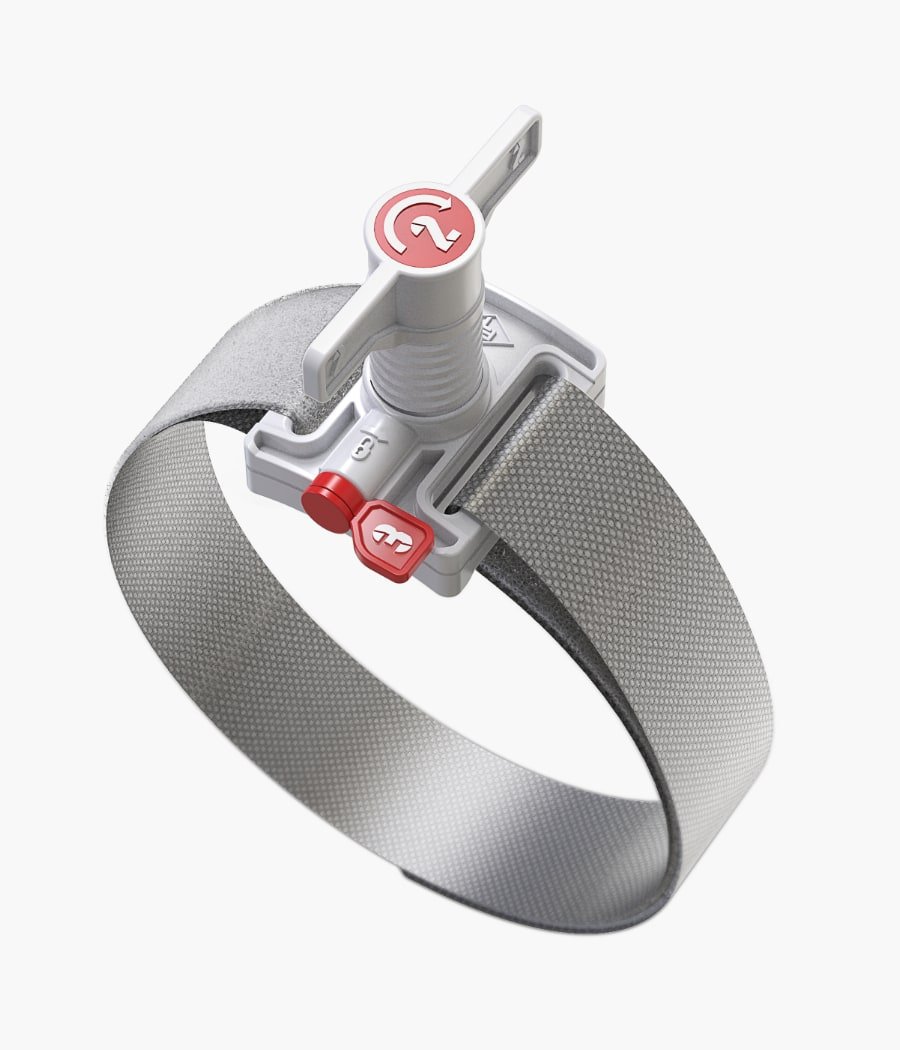
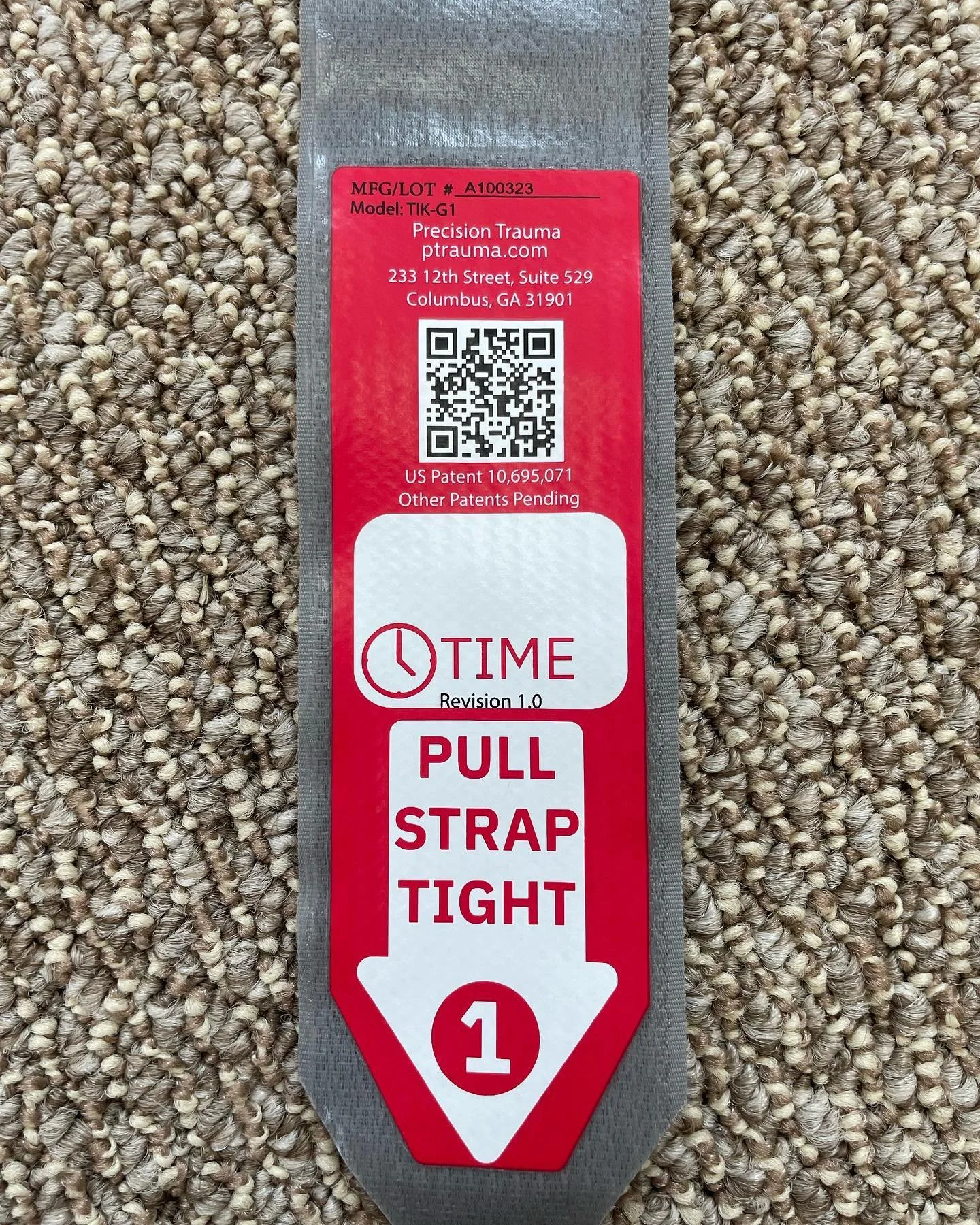
Turn-I-Kit
Available for purchase at turn-i-kit.com.


Products
Precision Trauma has partnered with University of Michigan Weil Institute to create and develop a full suite of bleeding control products for a wide range of trauma scenarios.
Turn-I-Kit
-
First tourniquet designed specifically for civilian and first responder use
Easy 3-step application
2-inch-wide band for greater comfort
Precision tightening control
-
Point of injury for civilian bystanders and first-responders
Easy to transition to from traditional tourniquets for more precise control of bleeding

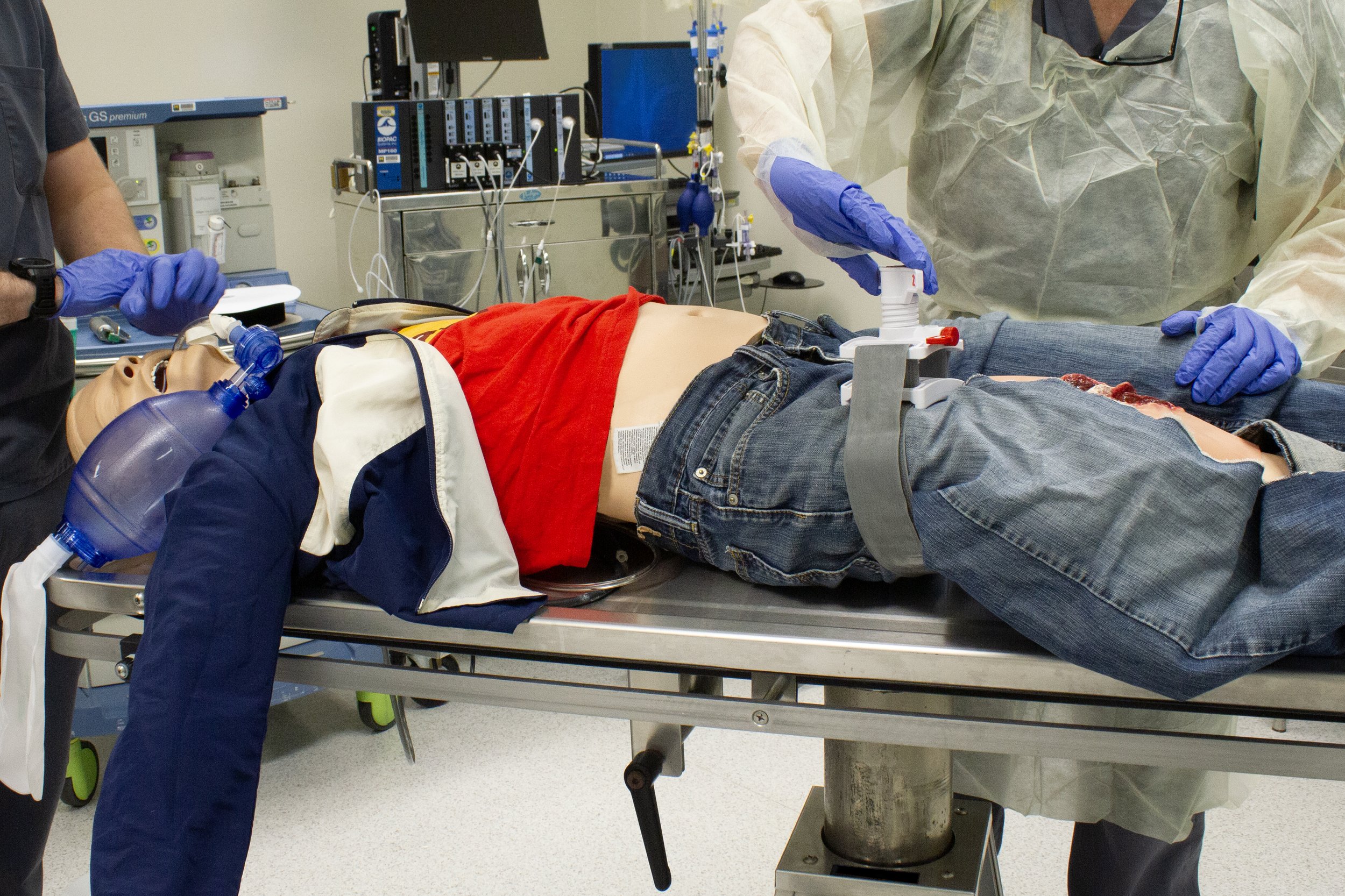
External Aortic Occlusion Device
-
Turn-I-Kit with special plate, strapping and backboard for Zone 3 aortic occlusion for pelvic hemorrhage
Precise downward pressure
Limited to no circumferential pressure to interfere with ventilation
-
Prehospital scene of injury
Emergency Department/Trauma Center
Austere military environments: Tactical field care and Role 1-3 facilities


Junctional Tourniquet
-
Turn-I-Kit with special interchangeable plates and strapping creating targeted downward pressure for pelvic and axillary junctional wounds
Exceptional stability and precision pressure control
Works over all currently approved pelvic binders
-
Prehospital point of injury
Emergency Department/Trauma Center
Austere military environments: Tactical field care and Role 1-3 facilities
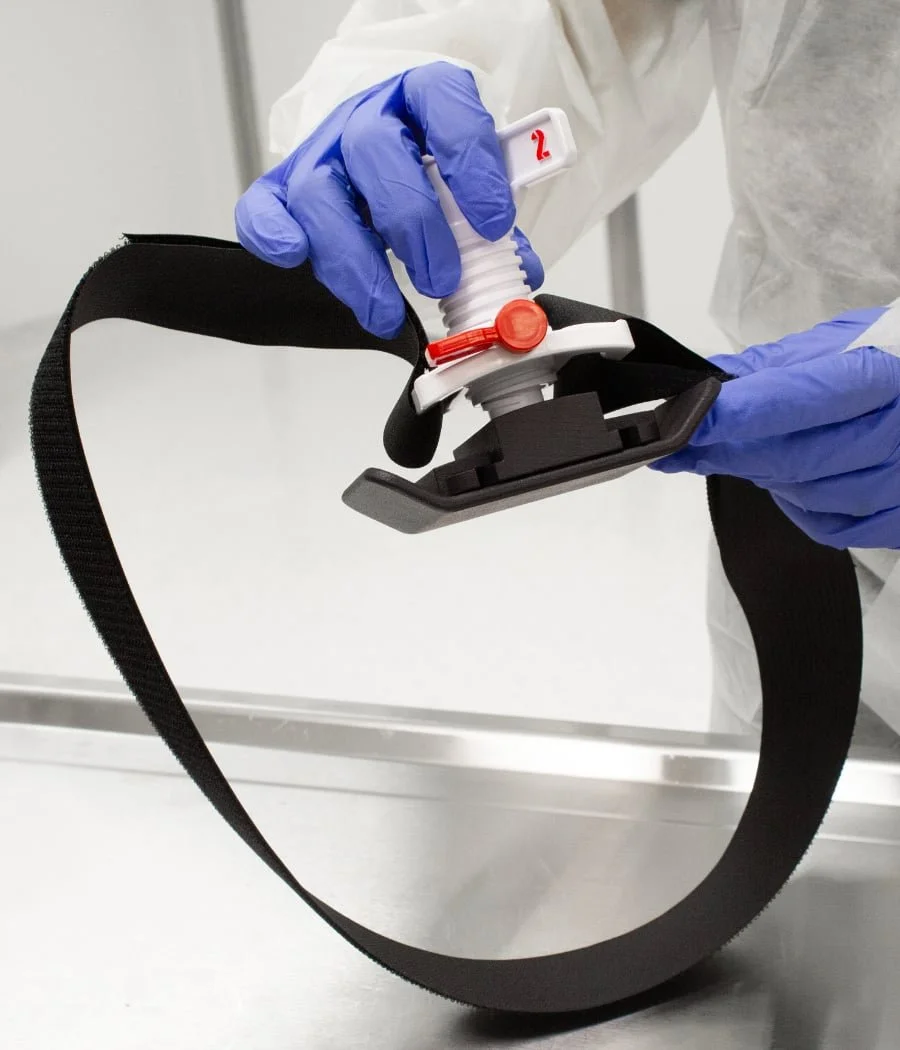

Wound Hemorrhage Compression Device
-
Turn-I-Kit with special interchangeable plates and strapping creating targeted downward pressure directly over bleeding wounds
Exceptional stability and precision pressure control without creating circumferential tourniquet pressure
Allows for rapid tourniquet conversion and limb sparing
-
Prehospital point of injury
Emergency Department/Trauma Center
Austere military environments: Point of injury and Role 1-3 facilities


Gastroesophageal Resuscitative Occlusion of the Aorta (GROA)
-
Noninvasive alternative to Resuscitative Endovascular Balloon Occlusion of the Aorta (REBOA)
Orogastric tube balloon placement and inflation with external compression
Aorta compressed at celiac trunk producing Zone 1 occlusion
-
Prehospital point of injury
Emergency Department/Trauma Center
Rapid placement with option to transition to REBOA
Austere military environments: Role 1-3 facilities
-


Intraperitoneal Hemostasis Device
-
Small balloon place through small abdominal trocar
Balloon inflated and external pressure applied to tamponade bleeding.
Aortic occlusion possible but not always necessary
-
Prehospital point of injury
Emergency Department/Trauma Center
Rapid placement with option to transition to REBOA
Austere military environments: Role 1-3 facilities
-


Why do we need another tourniquet?
Historically, tourniquets were not standard issue until the Global War on Terror (GWOT) after 9/11. Before then, the use of tourniquets was considered risky due to concerns about limb loss. However, the severe injuries from improvised explosive devices (IEDs) during the GWOT shifted priorities—saving lives became more important than the risk of losing a limb.
The military's response to this need led to the development of compact, one-handed tourniquets, suitable for soldiers to carry and use in combat. These designs use a windlass mechanism—a stick twisted to tighten a band, effectively stopping blood flow. While this is efficient, it has limitations: narrower bands can cause significant pain and potential nerve damage due to the concentrated pressure, making them less suitable for wider civilian use.
Additionally, windlass tourniquets require full 180-degree turns to adjust, which can lead to over-tightening or under-tightening, further increasing discomfort and the risk of complications. This design might even necessitate multiple tourniquets for larger limbs.
The 2013 Boston Marathon bombing, which killed three people and injured over 260, highlighted the need for civilian tourniquet training. The "Stop the Bleed" campaign was launched to educate the public, but existing military-style tourniquets weren't optimized for civilian use.
To address these issues, Precision Trauma developed the Turn-I-Kit, a tourniquet designed specifically for civilians. Key improvements include a wider band to distribute pressure more evenly, reducing pain and minimizing the risk of nerve damage. The Turn-I-Kit's design allows for precise tightening with every degree of turn, ensuring effective bleeding control with less discomfort. It can also be easily adjusted, making it suitable for users of all ages, including children and the elderly.
The Turn-I-Kit offers a user-friendly and comfortable alternative to traditional tourniquets, making it ideal for everyday civilian use. Its design ensures effective bleeding control while minimizing pain and the risk of tissue damage.




Trauma Strikes Unexpectedly
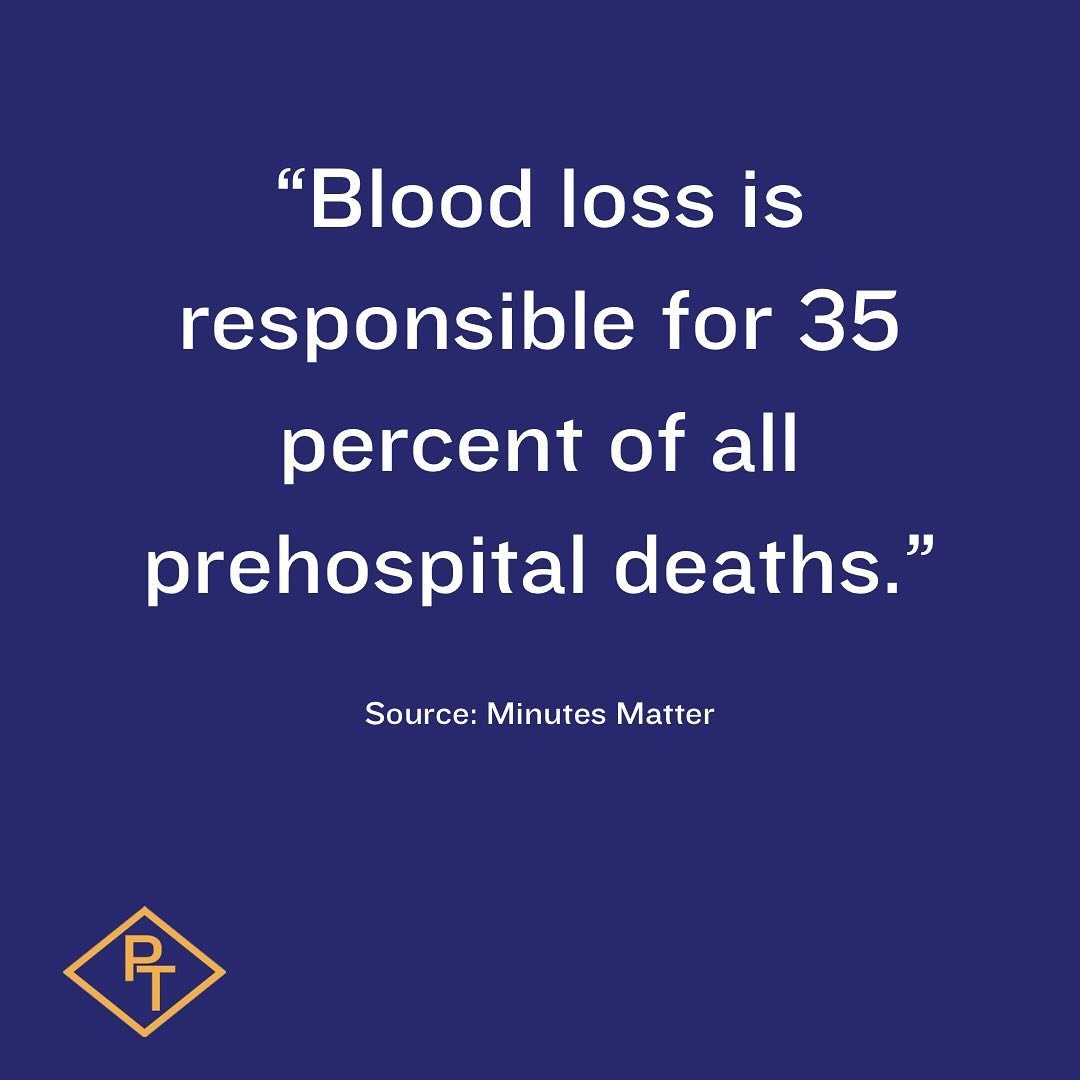
The National Academy of Sciences report “A National Trauma Care System” notes that there are 30,000 preventable deaths from trauma each year with nearly half of these due to hemorrhage. The report also noted that the greatest opportunity to save lives is in the prehospital setting. Our innovative products make next-level lifesaving technology accessible and usable for civilian and prehospital trauma provider community, filling key gaps in trauma care and add precious time to critical situations

Our Team
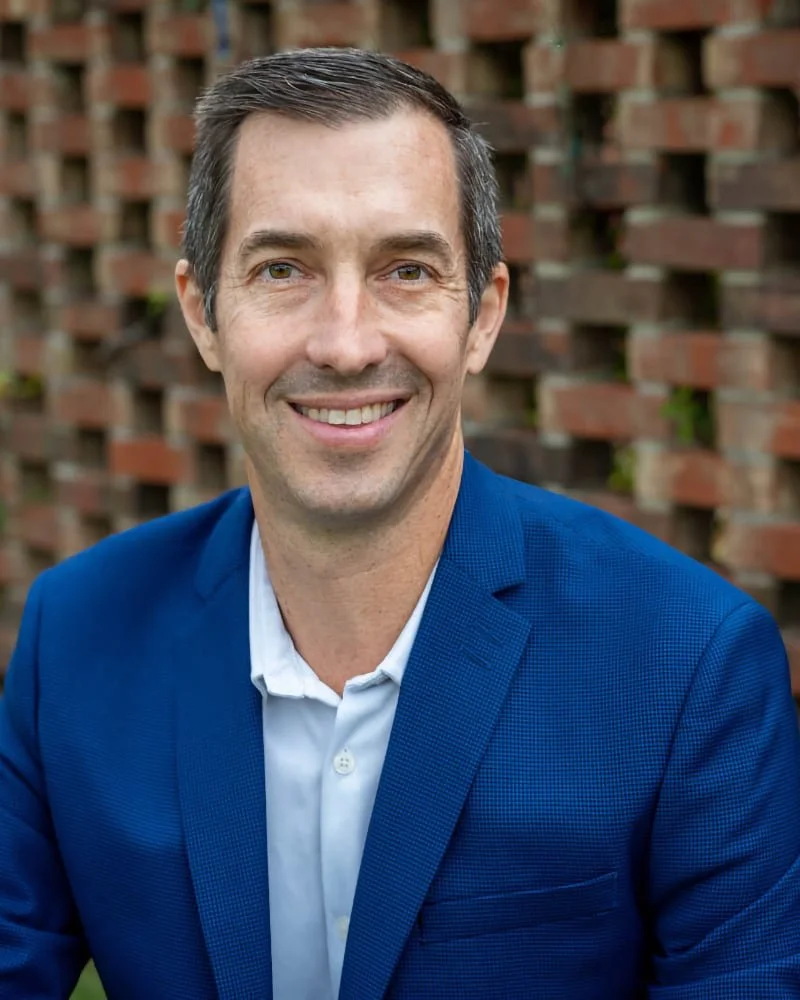
Ethan A. Miles
M.D., FAWM, DiMM
-
Dr. Ethan Miles is a board-certified Family Medicine Physician in Columbus, Georgia. He earned his undergraduate degree in Chemistry from Northern Arizona University. Following his undergraduate degree, Ethan commissioned as a US Army Officer and attended the Uniformed Services University of the Health Sciences where he received his Medical Degree. Following Family Medicine Residency at Darnall Army Medical Center in Fort Hood, Texas he completed the Ranger Assessment and Selection Program and was assigned to the 75th Ranger Regiment as a Battalion Surgeon, deploying multiple times to Iraq and Afghanistan. Dr Miles attended the Naval Postgraduate School in Monterey, California earning a Masters Degree in Defense Analysis (Special Operations/Low Intensity Conflict). Dr Miles then served as the Regimental Surgeon for the 75 th Ranger Regiment (US Army Special Operations Command). During his time as Regimental Surgeon (2013-2018), he deployed multiple times and served as Command Surgeon for the Joint Special Operations Task Force.
Additionally, during his time at 75th, he led the medical team in developing and implementing the first point of injury Whole Blood program for which he was awarded the US Army Greatest Innovation Award in 2017. After 5 years as Regimental Surgeon, Dr Miles went on to become the Maneuver Center of Excellence Command Surgeon overseeing the medical care and training of the largest Army training installation in the DoD. He also served as the chairman for the DoD TC3 Tier 2 (Combat Life Saver) curriculum re-write. Dr. Miles is an Associate Professor Military/Emergency Medicine, Uniformed Services University of the Health Sciences, a Fellow of the Academy of Wilderness Medicine, and has his diploma in Mountain Medicine. He served 4 years on the Board of Directors for the Special Operations Medical Association, is a member of the Traumatic Hemostasis and Oxygenation (THOR) Network and has served on the DoD Committee for Tactical Combat Casualty Care as a voting member and Subject Matter Expert.
Chief Executive Officer

Peter Shull
Chief Operating Officer
-
Peter was commissioned in the Infantry through the ROTC program at Indiana State University. He served in various leadership and staff positions within both light and mechanized Infantry.
As a lieutenant, he was assigned overseas duty in the Republic of Korea from 1994-1997. During that time, he served as a rifle platoon leader, company executive officer, scout platoon leader, and HHC executive officer in the 5-20thInfantry and 2-9thInfantry of the 2nd Infantry Division.
As a captain, he first served at Fort Polk, LA as a G3 Plans Officer for the Joint Readiness Training Center, 1998-1999. He was then reassigned to Fort Campbell, KY with the 101st Airborne (ASSLT) Division for service with the 1-187thInfantry (RAKKASANS), 1999 thru 2003. There he served as the Battalion Assistant Operations Officer, Company Commander and Brigade Assistant Operations Officer. During this time, he deployed to Kosovo, Afghanistan, and Iraq (initial invasion). Upon completion of the Iraq deployment, he was reassigned to Fort Polk, LA with service at the Joint Readiness Training Center, 2003 thru 2005. During this time he served one year as an Observer Controller and another year as a Plans Officer coordinating JRTC Rotations (Plans/Exercise Maneuver Control).
As a major, he was assigned to Fort Riley’s 1st Brigade of the 1st Infantry Division from 2006 thru 2008. Here he served as the Operations Officer and Executive Officer for 1-16th Infantry Regiment and later as the Brigade Operations Officer. He was then reassigned to the 75th Ranger Regiment at Fort Benning, GA as the Regimental S4 from 2008-2010.
As a lieutenant colonel, he served as the commander of 1-28th Infantry of the 4th Brigade at Fort Riley (October 2010 thru May 2013). This battalion deployed to East Paktika Afghanistan from April 2012 thru March 2013. After command, he served as the 2nd Armored Brigade Deputy Commander as they assumed the role as the Army's first Regionally Aligned Force to AFRICOM with deployments to southern and east Africa.
As a colonel, he returned to the 75th Ranger Regiment as the Deputy Commander from June 2014 thru August 2019. After serving the Ranger Regiment as an Operations and Support Deputy, he was selected for a position training officers at Fort Benning GA.
Peter’s Military Education includes Air War College (Montgomery, AL), Command and General Staff Officers Course (Fort Leavenworth, KS), the Combined Arms Service and Staff School (CAS3, Fort Leavenworth, KS) , the Infantry Officer Advance Course (Fort Benning, GA), the Infantry Officer Basic Course, the Bradley Infantry Fighting Vehicle Commanders Course, Ranger School, Basic Airborne School, and the Air Assault School.
Awards and DecorationsCombat Infantryman’s Badge
Legion of Merit
Bronze Star (5OLC)
Meritorious Service Medal (5OLC).

Jeffrey S. Cain
M.D., FACEP
-
Dr. Cain is currently a staff Emergency Medicine physician for City Hospital Emergency Care Center in Mesquite, Texas. He also serves as the Medical Director for the Advanced Law Enforcement Rapid Response Training organization in San Marcos, Texas and for the Protective Service Medics supporting the US Embassy in Bagdad, Iraq. He is a medical and security consultant for several civilian entities. He earned his undergraduate Bachelor of Science degree from the United States Military Academy at West Point. He was initially commissioned as an Infantry officer and served in various Company-level leadership positions prior to attending medical school at the Uniformed Services University of the Health Sciences. He completed his residency in Emergency Medicine at Darnall Army Medical Center, Fort Hood Texas in 2001. From July 2001 to July 2003, he served as the Battalion Physician for the 1st Battalion, 75th Ranger Regiment, where he completed several combat deployments. As the Chief, Academic Division for the Department of Combat Medic Training in Fort Sam Houston, Texas, he revised the training pathway for all Army medics and facilitated transformation for the Army’s Self/Buddy Aid and Combat Lifesaver programs and associated medical equipment. Other military assignments included Chief of Emergency Medicine for Reynolds Army Community Hospital at Fort Sill, Oklahoma and Research Physician with the US Army Institute of Surgical Research. He is a Diplomate of the American Board of Emergency Physicians, a Fellow of the American College of Emergency Physicians, Advisory Board member and former Vice Chairman for the Committee on Tactical Combat Casualty Care and a Guidelines Committee member for the Committee for Tactical Emergency Casualty Care.
Dr. Cain has trained thousands of personnel in emergency pre-hospital trauma care techniques and has participated in numerous disaster and mass-casualty planning scenarios for hospital facilities and communities within the United States as well as deployable hospital systems worldwide.
His military awards and decorations include the Bronze Star, the Meritorious Service Medal, the Combat Medic Badge, the Expert Infantryman Badge, Airborne wings, Pathfinder torch, Ranger tab, Army Flight Surgeon wings, and Air Assault wings. His foreign awards include the French Commando badge and Canadian Airborne wings.
Chief Medical Officer

Kevin R. Ward
Chief Technology Officer
-
Dr. Ward is a Professor of Emergency Medicine and Biomedical Engineering at the University of Michigan where he also serves as the Executive Director for the Max Harry Weil Institute for Critical Care Research and Innovation. The Weil Institute is the country’s largest multidisciplinary research enterprise dedicated to transforming critical care through innovation, integration and entrepreneurship. Dr. Ward is a serial innovator and entrepreneur with over 40 issued patents, 7 companies, and 5 FDA approved products. He was elected a Fellow in the National Academy of Inventors and has received the university innovator of the year award from both Virginia Commonwealth University and the University of Michigan as well as the DoD Advanced Technologies Applications in Combat Casualty Care Award for Excellence. He is also the recipient of both the Society for Academic Emergency Medicine and the American College of Emergency Physicians Research Excellence Awards.
Dr. Ward serves in the U.S. Army Reserve Medical Corp as a Lieutenant Colonel assigned to Forward Resuscitation Surgical Detachments with combat deployment experience. His military awards include the National Defense Service Medal, Global War on Terrorism Service Medal, Afghanistan Campaign Medial with Campaign Star, NATO Medal for Resolute Support mission, Armed Forces Reserve Medal with Mobilization Device, Army Achievement Medal with Combat Device, the Army Reserve Component Achievement Medal, and the German Armed Forces Proficiency Badge (Gold) and the Meritorious Unit Commendation.
He is active in developing and reviewing US Joint Trauma System Clinical Practice Guidelines for damage control resuscitation and assisted in the development of the 75th Ranger Regiment ROLO program. He has collaborated with the Joint Special Operations Medical Training Center in developing civilian clinical training sites responsible for training over 2000 Special Operation Combat Medics for which he received the Department of the Army Certificate for Patriotic Civilian Service. His discoveries and patents in hemostasis have also been critical and instrumental in the development of the military’s standard issue hemostatic bandage Combat Gauze. He is a member of and has served on the executive committee for the Trauma Hemostasis Oxygenation Research (THOR) network.
M.D., FACEP, FAAEM

Our Partners


Follow Us on Instagram







Contact Us
info@ptrauma.com
233 12th Street, Suite 529
Columbus, GA 31901